

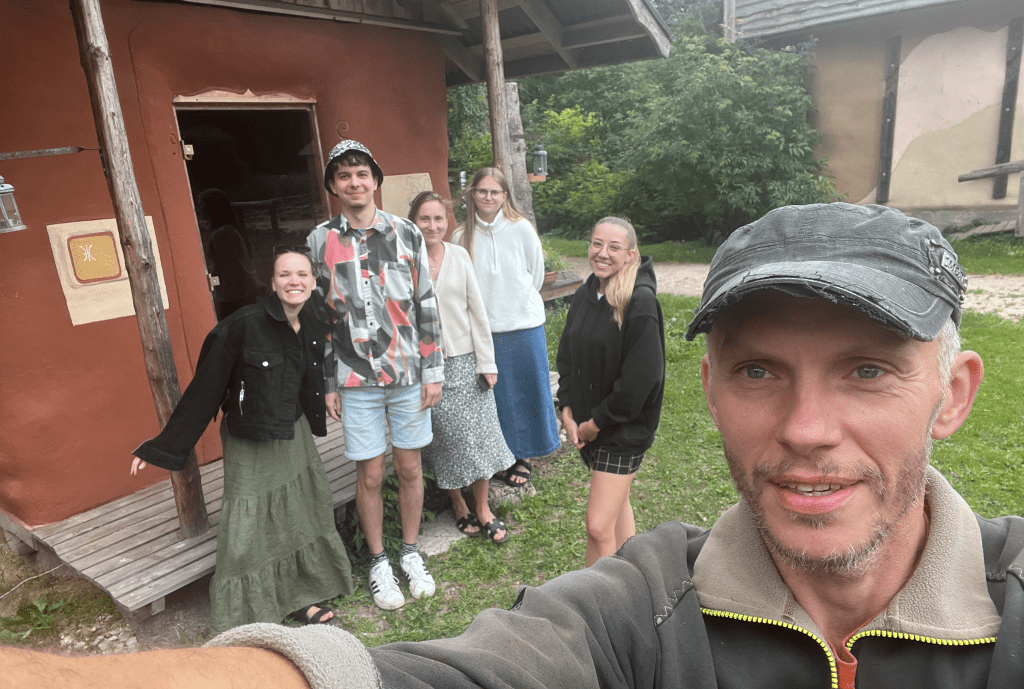

At the beginning of August, we went on a tour of straw houses in Southern Estonia. The tour happened to be on the same day as the windiest weather of the summer, so we made sure that the straw house would not be blown away by the strong wind.
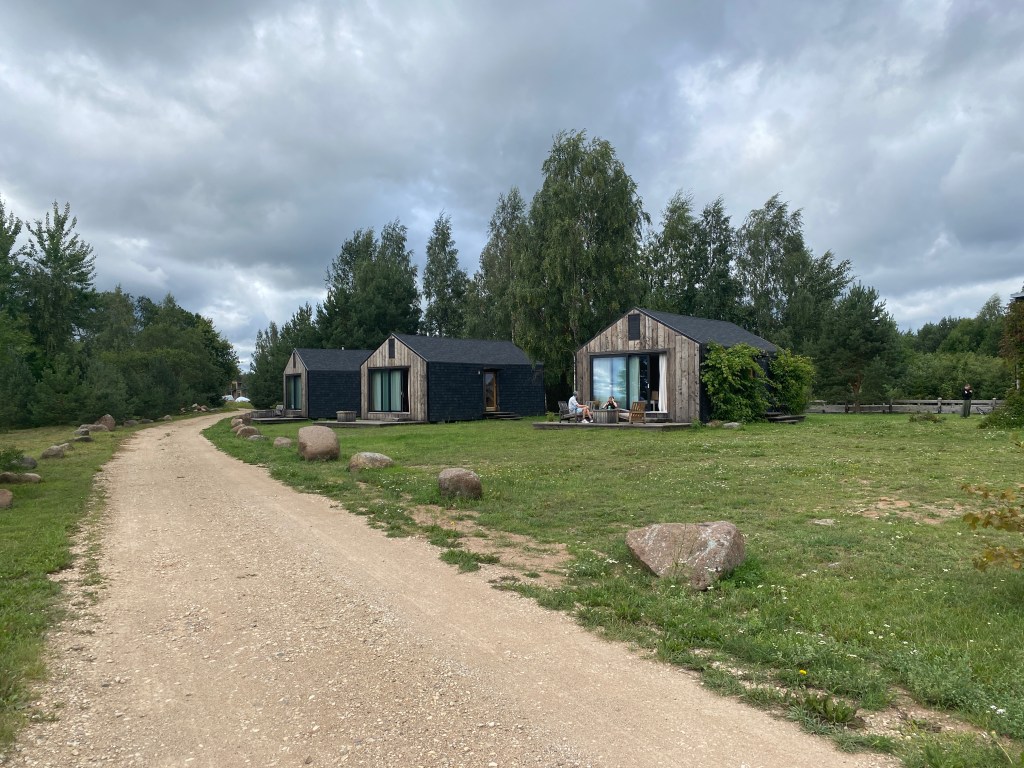
On the first day, we traveled to the village of Nina by Lake Peipsi, where the houses of Nina – the only straw accommodation in Estonia, are located. At the location, we got to know the owners, who introduced the concept and operating logic of the accommodation in more detail. The accommodation consists of three straw houses, the construction began in 2007. The owners made the project of the building themselves and also built it. The buildings were made of wooden frames, between which straw bales were installed and covered with finishing materials. Visiting the houses gave us confidence that the straw houses are durable and weatherproof, and the indoor climate in them is also very good for living, which we were able to experience when we spent the night in there.
When we arrived, we also had a definite plan to go swimming. However, it was the windiest weather of the summer and when it got dark, this plan didn’t seem so good anymore. So we were hiding from the wind in the straw house. In the morning before setting off, we enjoyed the surroundings and fed the local chickens and goats.
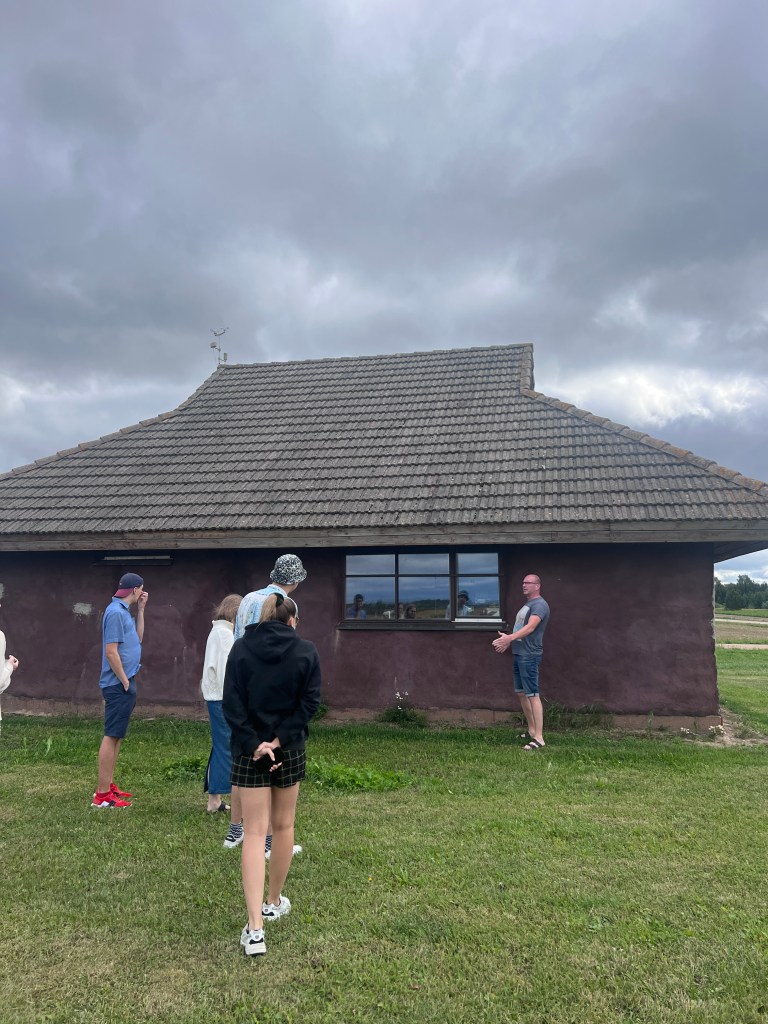
Then we travelled to Luunja municipality in Tartu County to visit the office building of Tammistu Agro. The building is nearly ten years old and was built from straw bales produced by the farmers themselves. Straw bales formed a constructive part of the building. The building was plastered both inside and outside, the wooden roof of the old farm building was reused as a roof. The building has been used as an office, and the entrepreneur himself told us about the idea, construction and durability.
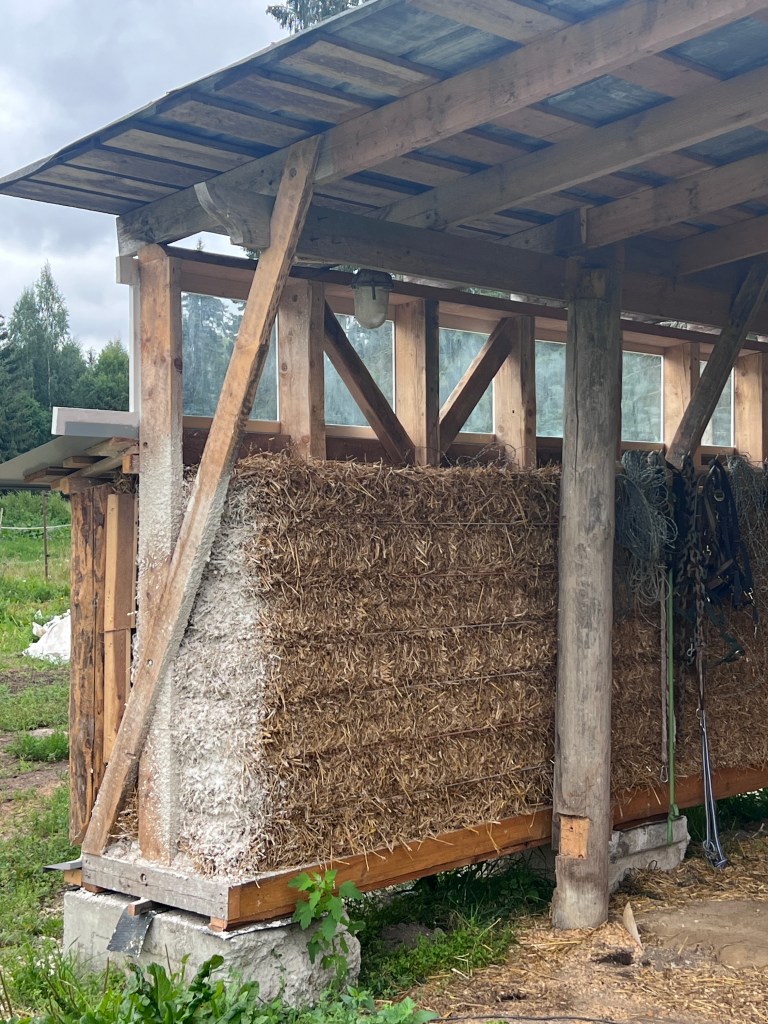
After visiting Tammistu Agro, we drove to the village of Koord near Paide, where Hobukooli Park is located. It is a horse therapy center where they also teach and advise on ecological building methods. We were received by Sven Aluste, who is a straw construction trainer in Estonia with a very wide range of experience. We got acquainted with the straw buildings on the site, which were of different sizes, shapes and with different constructive logic. Most of the buildings used a mixture of clay and straw, the roofs were made of recycled wood and in the mandala technique. We learned about different natural construction methods and practical advice to implement in our project. In addition, Sven and I talked about our experiences over a cup of tea.
On this trip, we gained practical and theoretical knowledge, which is important in straw construction. Straw as a building material is a large part of our research and research work, and in addition to scientific information, it is also important to gain practical knowledge.
Estonian
Põhumajade külastus
Augusti alguses käisime Lõuna-Eestis põhumajade ringkäigul. Ringkäik sattus suve tuuliseima ilmaga samale päevale, seega veendusime, et ka kõva tuul ei puhu põhumaja minema.
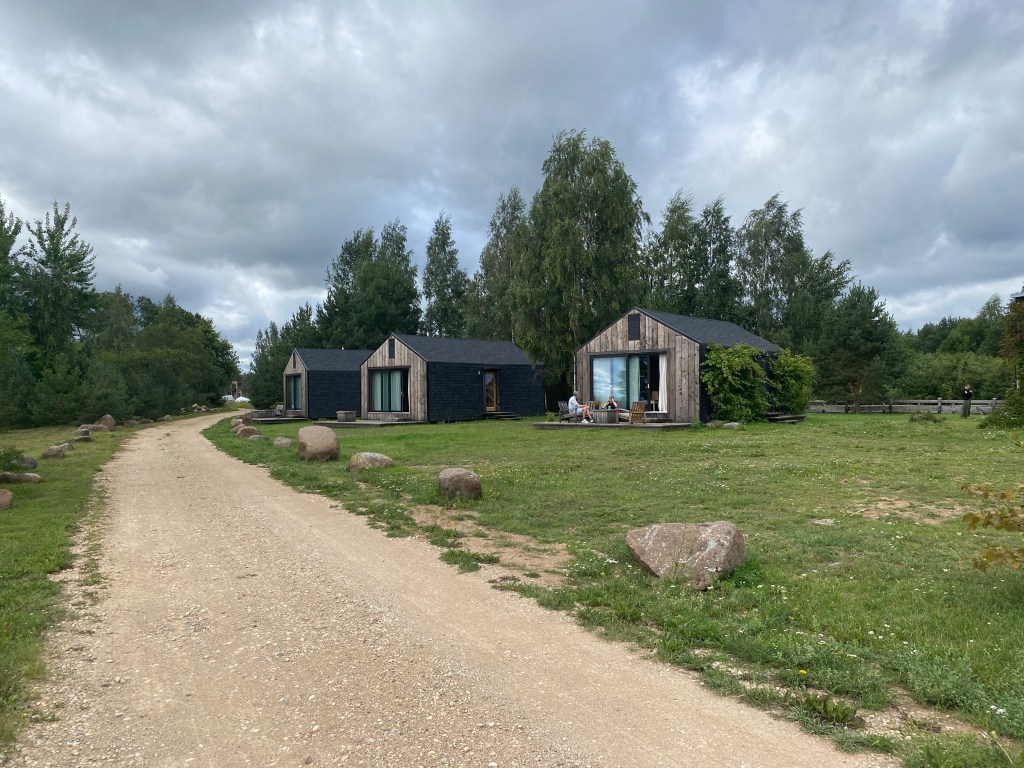
Esimesel päeval sõitsime Peipsi järve äärsesse Nina külla, kus asuvad Nina majad ehk Eesti ainus põhust majutusasutus. Asukohas tutvusime ettevõtjatega, kes tutvustasid lähemalt majutusasutuse kontseptsiooni ja toimimisloogikat. Majutus koosneb kolmest põhumajast, mille ehitust alustati 2007. aastal. Hoone projekti tegid omanikud ise ning ka ehitasid need valmis. Hooned olid puitkarakassist, mille vahele paigaldati põhupakid ning kaeti viimistlusmaterjalidega. Ninamajades käik andis meile kindlust, et põhumajad on vastupidavad ning ilmastikukindlad ning ka sisekliima neis on elamiseks väga hea, mida saime ise paigas ööbides kogeda.
Kohale jõudes oli meil ka kindel plaan ujuma minna. Tegu oli aga suve tuuliseima ilmaga ja pimeduse saabudes see plaan enam nii hea ei tundunud. Seega olime põhumajas tuule eest peidus. Hommikul enne teele asumist nautisime veel ümbritsevat ning toitsime kohalikke kanu ja kitsi.
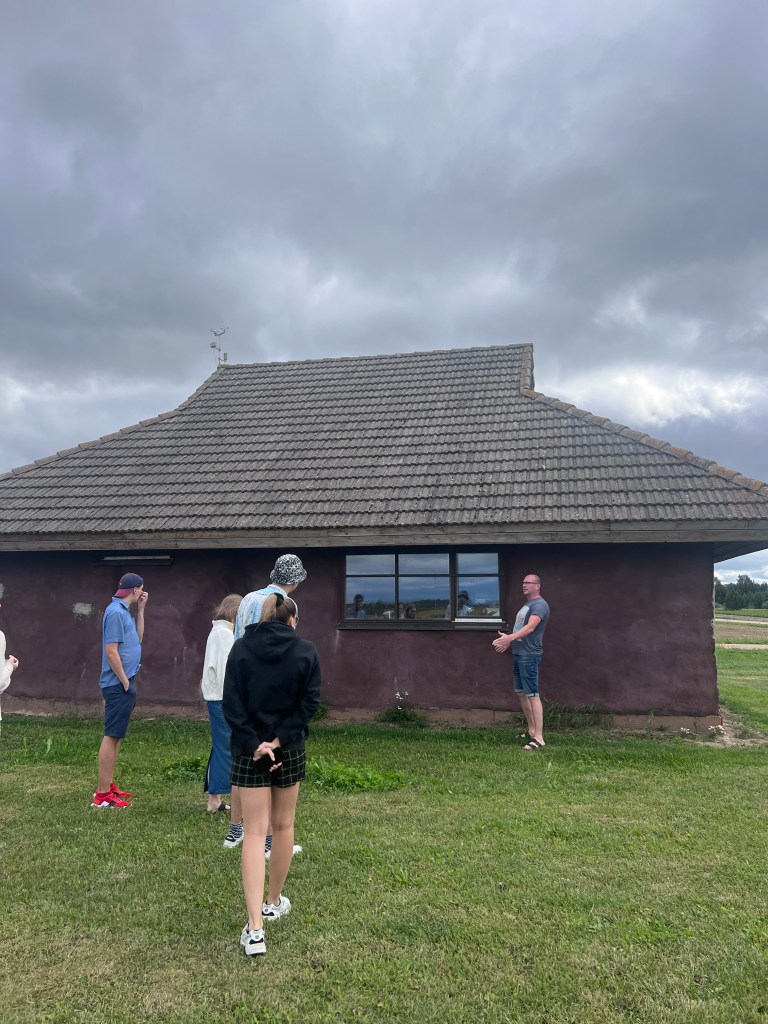
Seejärel sõitsime Luunja valda Tartumaal, et külastada Tammistu Agro kontorihoonet. Hoone on ligi kümme aastat vana ning ehitati põllumeeste enda põhust toodetud pakkidest. Põhupakid moodustasid hoone konstruktiivse osa. Hoone krohviti nii seest kui väljast, katusena taaskasutati vana taluhoone puitkatust. Hoonet on kasutatud kontorina ning ideest, ehitusest ja vastupidavusest rääkis meile ettevõtja ise.
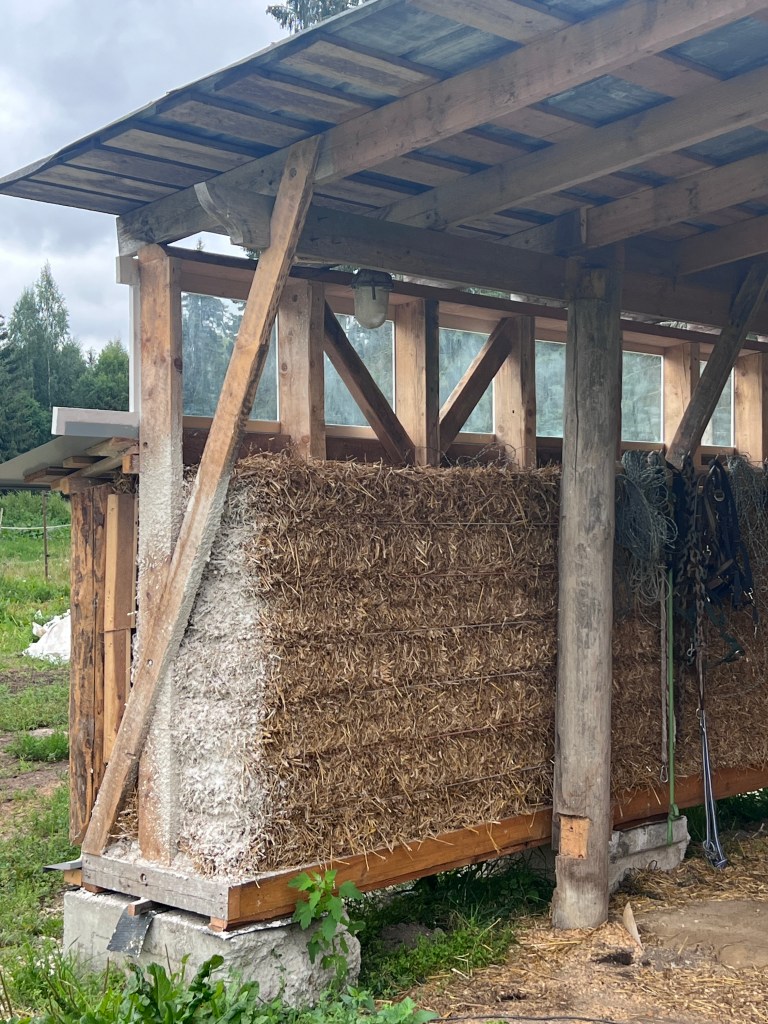
Peale Tammistu Agro külastust sõitsime Koordi külla Paide lähistel, kus asub Hobukooli Park. Tegemist on hobuteraapia keskusega, kus õpetatakse ja nõustatakse ka ökoloogiliste ehitusviiside osas. Meid võttis vastu Sven Aluste, kes on väga laiapõhjalise kogemuste pagasiga põhuehituse koolitaja Eestis. Tutvusime kohapeal asuvate põhust hoonetega, mida oli erinevates suurustes, vormides kui ka erineva konstruktiivse loogikaga. Enamasti oli hoonete puhul kasutatud savi ja põhu segu, katused rajatud taaskasutatud puidust ning mandala tehnikas. Saime teada erinevate looduslike ehitusviiside kohta ning praktilisi nõuandeid, mida oma projektis rakendada. Lisaks jutustasime Sveniga oma kogemustest teetassi kõrvale.
Antud väljasõidul saime praktilisi ja teoreetilisi teadmisi, mis on põhust ehitamise puhul olulised. Põhk kui ehitusmaterjal on suur osa meie uurimis- ja teadustööst ning lisaks teaduslikule infole on oluline saada ka praktilisi teadmisi.
 1plussx