

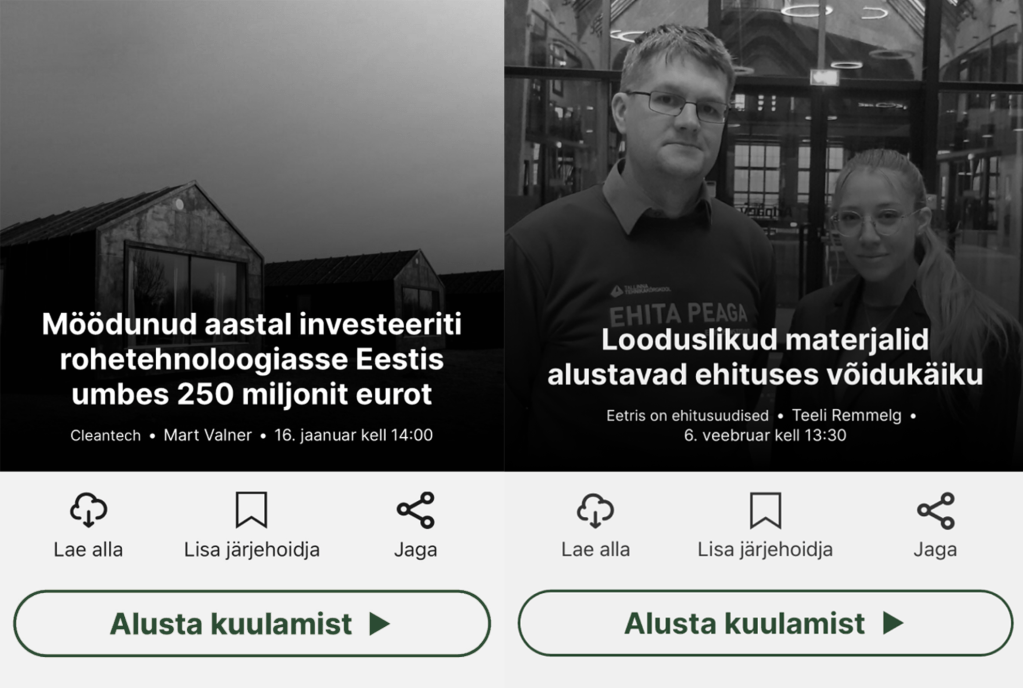

On 11.01 Roosmarii and Triinu visited the Äripäev House for a recording of the Cleantech podcast. It was our first recorded media visit, so a first experience. A big thank you to host Mart Valner.
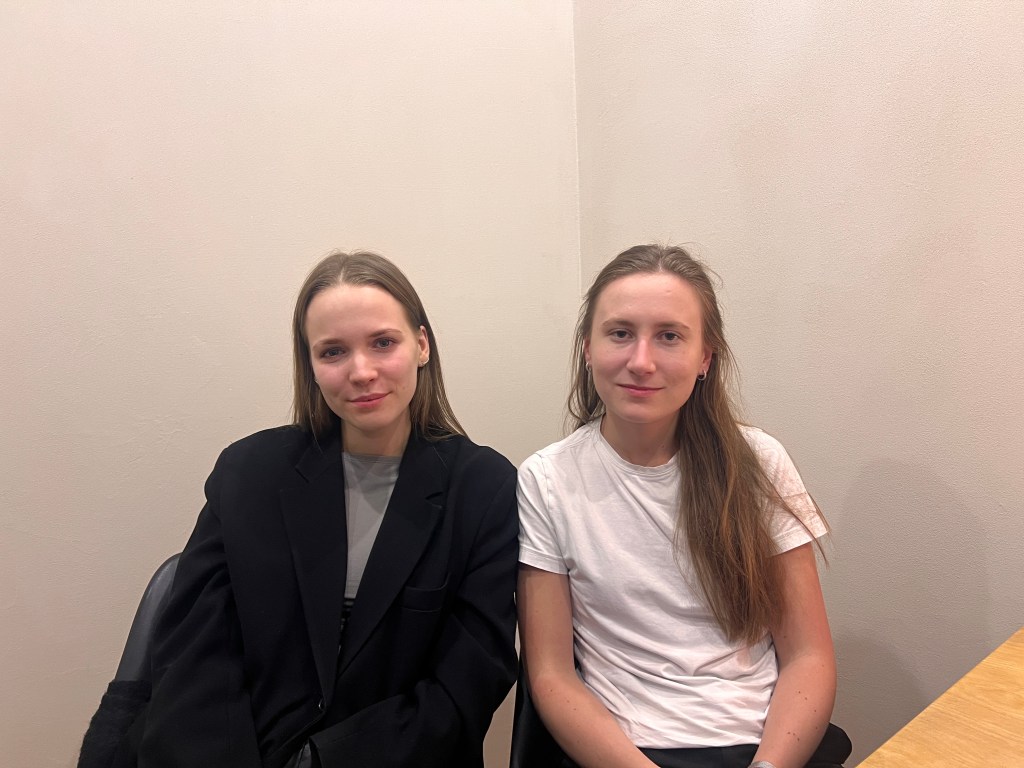
The podcast was all about who we are and what we do: why straw, why patterning and what is a smart module, and other fascinating stuff, listen to more.
Straw, as a residual product, is a natural resource that is renewed every year. Straw is also a very common material, building in Estonia we can use local raw material, building in Ukraine, for example, we can use local raw material in the same way. Straw also has many good qualities: better indoor climate, biogenic material, dense straw does not burn, CO2 sequestration, acoustics, temperature retention and many others. There are many examples of straw in Europe and the wider world. Europe’s oldest straw house, The Feuillette House, is over 100 years old.
“There are very many examples that dispel the myth that straw is not durable.”
The smart module is at the heart of the building by solving the building’s plumbing, electrical and mechanical systems. The module consists of a bathroom, a toilet, a kitchen and a utility room so that all the water systems are in one place in the building. The smart module will be delivered to the site in one finished piece. Smart building solutions such as solar panels or water purification systems can also be integrated.
It is also important for us to build as much as we need, and not too much. In our prototype system, living spaces are created from panels around a smart module, making it possible to grow and shrink the building. Buildings can therefore be easily adapted as needed. The presenter described it well: when you build a house with our system you have two rooms and a sanitary system, when you find a partner and have children you can add rooms and when the children move out you can take those rooms away.
“It’s important that we build as much as we need, that we don’t build too much. We’re always assuming how much space we need. Building a bigger house comes with higher construction costs and a bigger carbon footprint. If we need a bigger building one day, we will build a new one. Why can’t we build as big as we need, and as life moves on, we can change it, rather than building a new house or having empty rooms.”
1+X establishes a starting point and a pattern, but how you build within the pattern can vary widely. However, thanks to the same basic principles, it can be produced quickly and efficiently in a factory. However, the houses produced can be different and architecturally exciting.
Visit of the construction news podcast.
The importance of environmentally friendly building materials has grown considerably in recent years, as more and more people are paying attention to sustainability and eco-friendliness. Recently, we visited Anti Hamburg, Director of the Construction Institute at Tallinn University of Technology, on Äripäev’s podcast “Construction News on air”, where we discussed a number of important topics such as mass production, energy efficiency and the construction of the future.

We discussed possible alternatives to chemical insulation materials and how to speed up their production. The use of straw as an insulating material was a key topic. We discussed why straw could be the insulation material of the future and what challenges need to be overcome before mass production can really take off. Straw could prove to be one of the most promising materials to meet the rapidly growing climate demands in the building sector.
We discussed what standards and laws need to be met before straw panels can be used in mass production. There are already a number of companies producing straw-based panels in Europe, and some countries, such as France, have made significant progress in this area by directing and encouraging research into and use of new natural materials.
But what is the situation in Estonia? Are our building professionals interested in the use of straw as an insulating material and how can its use be facilitated? This is a question that needs to be thoroughly discussed and possible solutions developed. Is our legislation sufficiently supportive of sustainable building materials? Do we have sufficient knowledge and skills to process and use straw as a building material? These are just a few of the questions we need to answer if we want to promote environmentally friendly construction in Estonia. The key is to continue the discussion and cooperation to discover and realise the potential of straw use in the Estonian building landscape.
Estonian
Cleantech podcast külastus
11.01 käisid Roosmarii ja Triinu Cleantech podcasti salvestusel Äripäeva majas. See oli meie esimene lindistatud meediakajastus, seega esmakordne kogemus. Suur aitäh saatejuht Mart Valnerile.
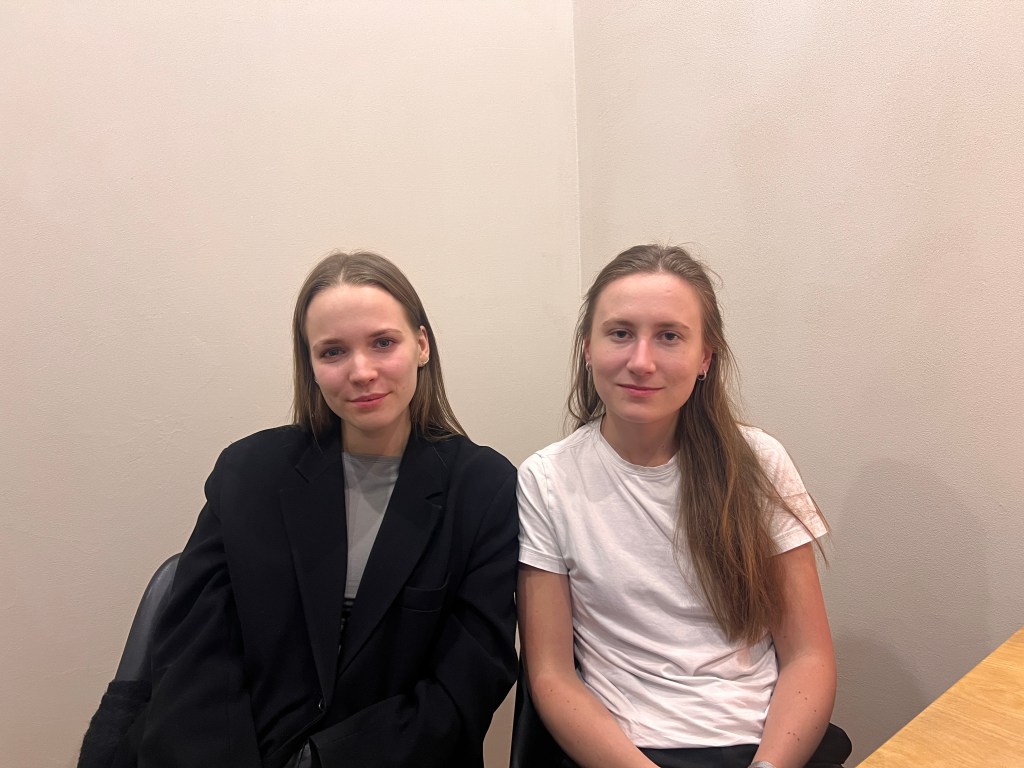
Podcastis oli juttu sellest, kes me oleme ja millega me tegeleme: miks põhk, miks mustersüsteem ja mis on tark moodul ning muudki põnevat, kuula täpsemalt.
Põhk kui jääkprodukt on iga-aastaselt taastuv loodusressurss. Põhk on ka väga levinud materjal, ehitades Eestis saame kasutada kohalikku toorainet, ehitades aga hoopis näiteks Ukrainas saame samamoodi kasutada kohalikku toorainet. Samuti on põhul palju häid omadusi: parem sisekliima, biogeenne materjal, tihe põhk ei põle, CO2 sidumine, akustika ja temperatuuri hoidmine ja teisigi. Põhu puhul on palju näiteid nii Euroopas kui ka laiemalt maailmas. Euroopa vanim põhumaja The Feuillette House on üle 100 aasta vana.
“On väga palju näiteid, mis purustavad müüdi, et põhk ei ole vastupidav.”
Tark moodul on hoone süda lahendades hoones vee-, elektri- ja tehnosüsteemid. Moodul koosneb vannitoast, tualetist, köögist ja tehnoruumist, et kõik veesüsteemid oleksid hoones ühes kohas. Tark moodul viiakse krundile ühes valmis tükis. Sinna saab ka integreerida targa hoone lahendused nagu näiteks päiksepaneelid või veepuhastussüsteemid.
Meie jaoks on ka oluline, et me ehitaks nii palju kui vaja ning mitte liiga palju. Meie mustersüsteemis luuakse eluruumid targa mooduli ümber paneelidest, mis teeb võimalikuks hoone kasvatamise ja kahandamise. Seega hooneid on võimalik hõlpsasti kohandada vastavalt vajadusele. Saatejuht kirjeldas seda hästi: ehitades endale maja meie süsteemiga on seal kaks tuba ja sanitaarsüsteem, leides kaaslane ja saades lapsed saab tubasid juurde panna ja kui lapsed välja kolivad, siis saab need ruumid ära võtta.
“See on oluline, et me ehitaks nii palju kui meil on vaja, et me ei ehitaks liiga palju. Me alati oletame palju meil ruume vaja on. Ehitades suurema maja tuleb suurem ehituskulu ja CO2 jalajälg. Vajades ükshetk hoopis suuremat maja, ehitame hoopis uue hoone. Miks ei võiks olla nii, et ehitame nii suure kui vajame ja vastavalt sellele, kuidas elu liigub, saab seda muuta, mitte ei pea ehitama uut maja või ei seisa toad tühjana.”
1+X loob lähtepunkti ja musteri, aga see, kuidas mustri sees ehitatakse saab olla väga erinev. Tänu samadele algpõhimõtetele saab seda aga kiirelt ja effektiivselt tehases toota. Toodetud majad saavad olla aga eriilmelised ja arhitektuurselt põnevad.
Eetris on ehitusuudised podcasti külastus
Viimastel aastatel on keskkonnasõbralike ehitusmaterjalide tähtsus märgatavalt kasvanud, kuna üha enam inimesi pöörab tähelepanu jätkusuutlikkusele ja keskkonnasõbralikkusele. Hiljuti käisime külas Tallinna Tehnikaülikooli ehitusinstituudi direktor Anti Hamburgiga Äripäeva podcasti saates “Eetris on ehitusuudised”, kus arutasime mitmete oluliste teemade üle, nagu masstootmine, energiatõhusus ja tuleviku ehitus.

Saates arutasime võimalikke alternatiive keemilistele soojustusmaterjalidele ning seda, kuidas nende tootmist kiirendada. Keskseks teemaks oli põhu kasutamine soojustusmaterjalina. Arutasime, miks võiks põhk olla tuleviku soojustusmaterjal ning millised väljakutsed tuleb ületada enne, kui selle masstootmine saab tõeliselt käivituda. Põhk võib osutuda üheks paljulubavaks materjaliks, et vastata kiiresti kasvavatele kliimanõuetele ehituses.
Arutasime, et milliseid norme ja seadusi tuleb täita, enne kui põhust paneele saab kasutada masstootmises. Euroopas on juba mitmeid ettevõtteid, kes tegelevad põhupaneelide tootmisega ning mõned riigid, näiteks Prantsusmaa, on teinud selles valdkonnas märkimisväärseid edusamme, suunates ja soodustades uute looduslike materjalide uurimist ja kasutamist.
Kuid milline on olukord Eestis? Kas meie ehitusspetsialistid on huvitatud põhu kasutamisest soojustusmaterjalina ja kuidas saaks selle kasutamist lihtsustada? See on küsimus, mis vajab põhjalikku arutelu ja võimalike lahenduste väljatöötamist. Kas meie seadusandlus toetab piisavalt jätkusuutlikke ehitusmaterjalide kasutamist? Kas meil on piisavalt teadmisi ja oskusi põhu töötlemiseks ja kasutamiseks ehitusmaterjalina? Need on vaid mõned küsimused, millele peame leidma vastused, kui tahame edendada keskkonnasõbralikku ehitust Eestis. Peamine on jätkata diskussiooni ja koostööd, et avastada ja realiseerida põhu kasutamise potentsiaal Eesti ehitusmaastikul.
 1plussx