
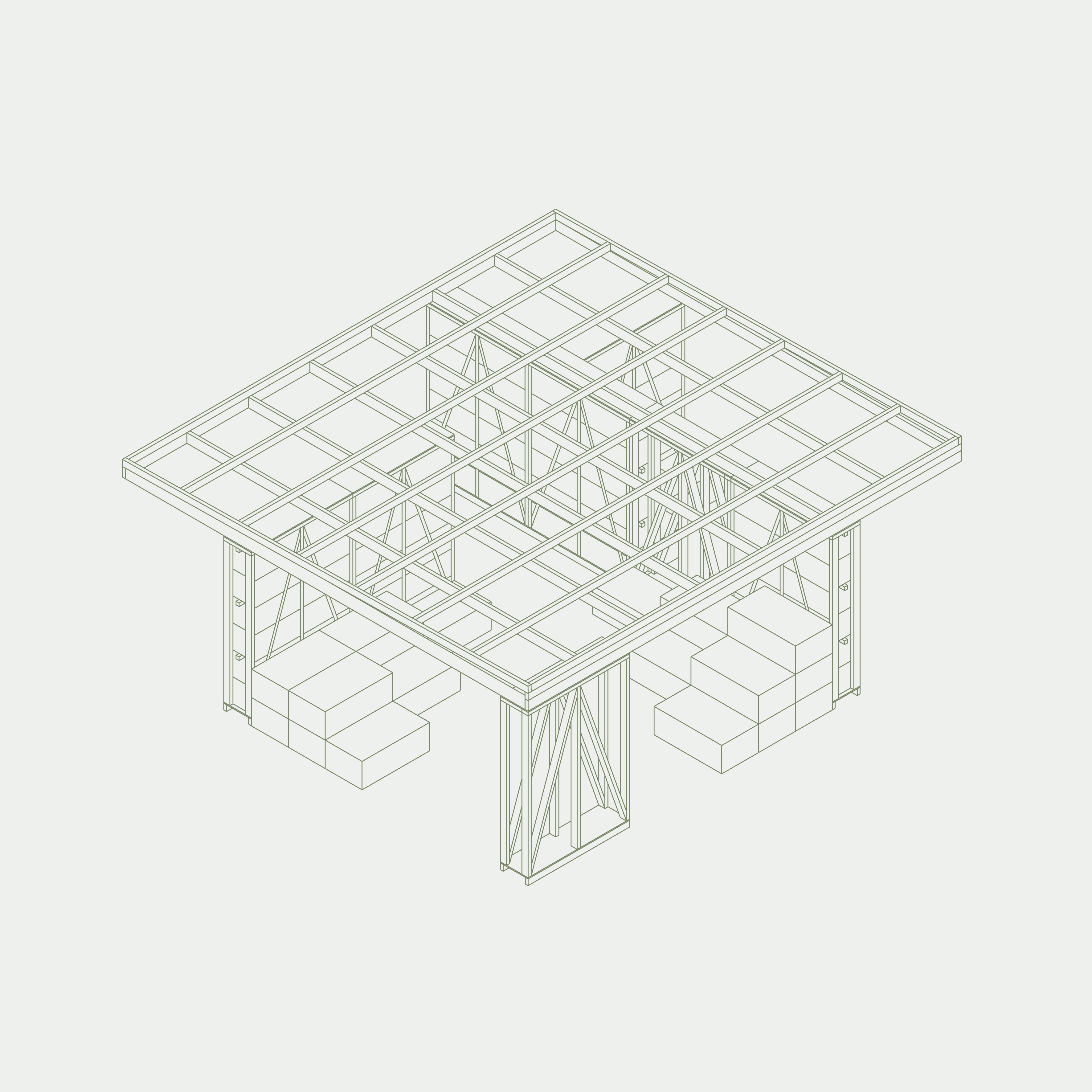
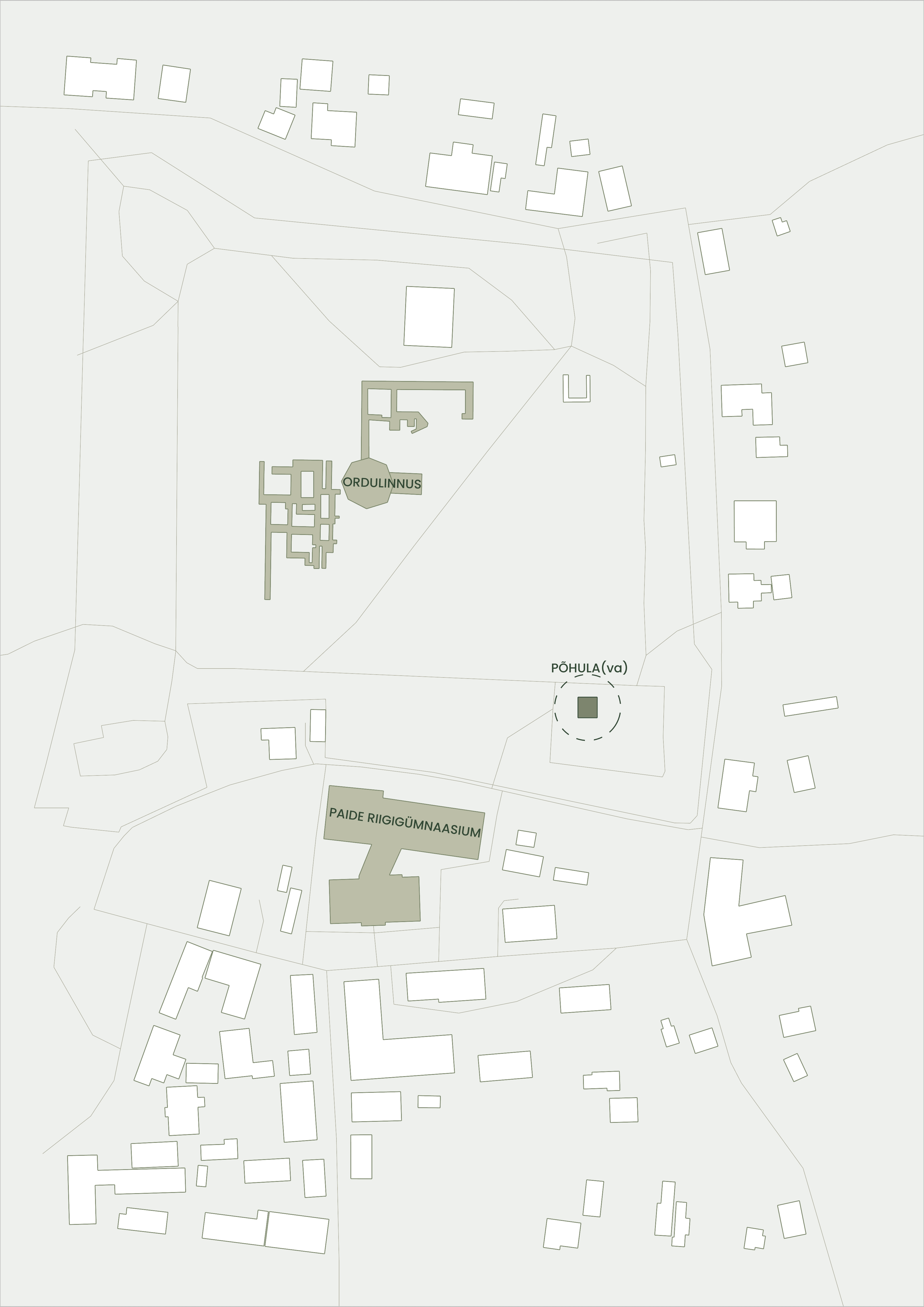
PÕHULA(va) is a straw installation in Paide. It was designed and built by members of the architectural group 1+X as the culmination of 15 months of research. The installation was used as a stage for the Paide Opinion Festival’s Energetic Economy area in August 2024. In addition to being an opinion space, it also offers uses such as a pavilion, gallery, outdoor school classroom. The varying functions also invite a variety of visitors.


PÕHULA(va) catches the eye from afar with its lovely golden look. Straw walls invite you to discover it, to feel it through sight, smell and touch. Straw panels offer an opportunity to move towards a circular economy and use of biogenic materials, where buildings are like living organisms that do not end their life cycle in a landfill but decay in a new building or in nature. Architects have a major role to play in choosing materials that will not be a burden on future generations.
The installation is transformable – a stage, an audience area and also a 1+X exhibition, where the whole 15-month research process is reflected through hanging fabrics, reports and a projected video. The installation is open from all sides to allow the space to function transparently and expansively, with people approaching the installation from all sides.
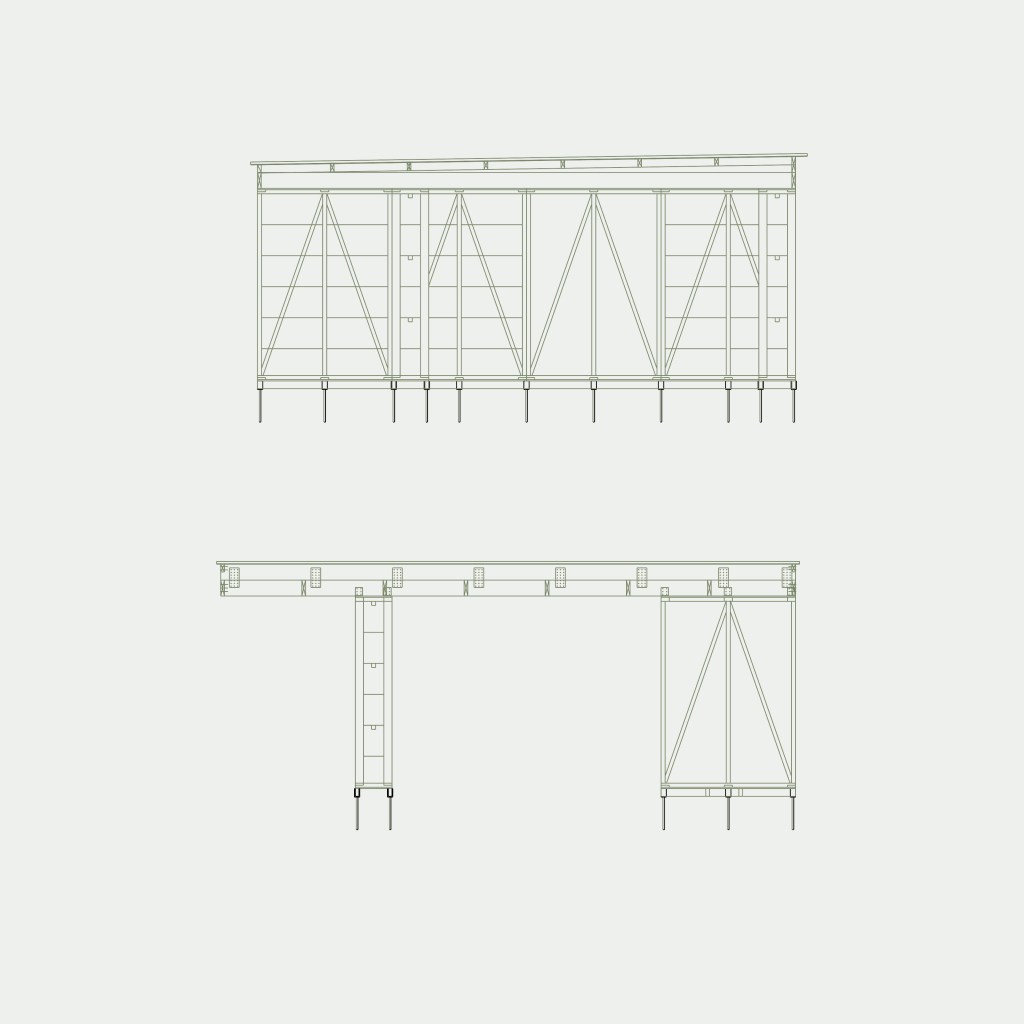
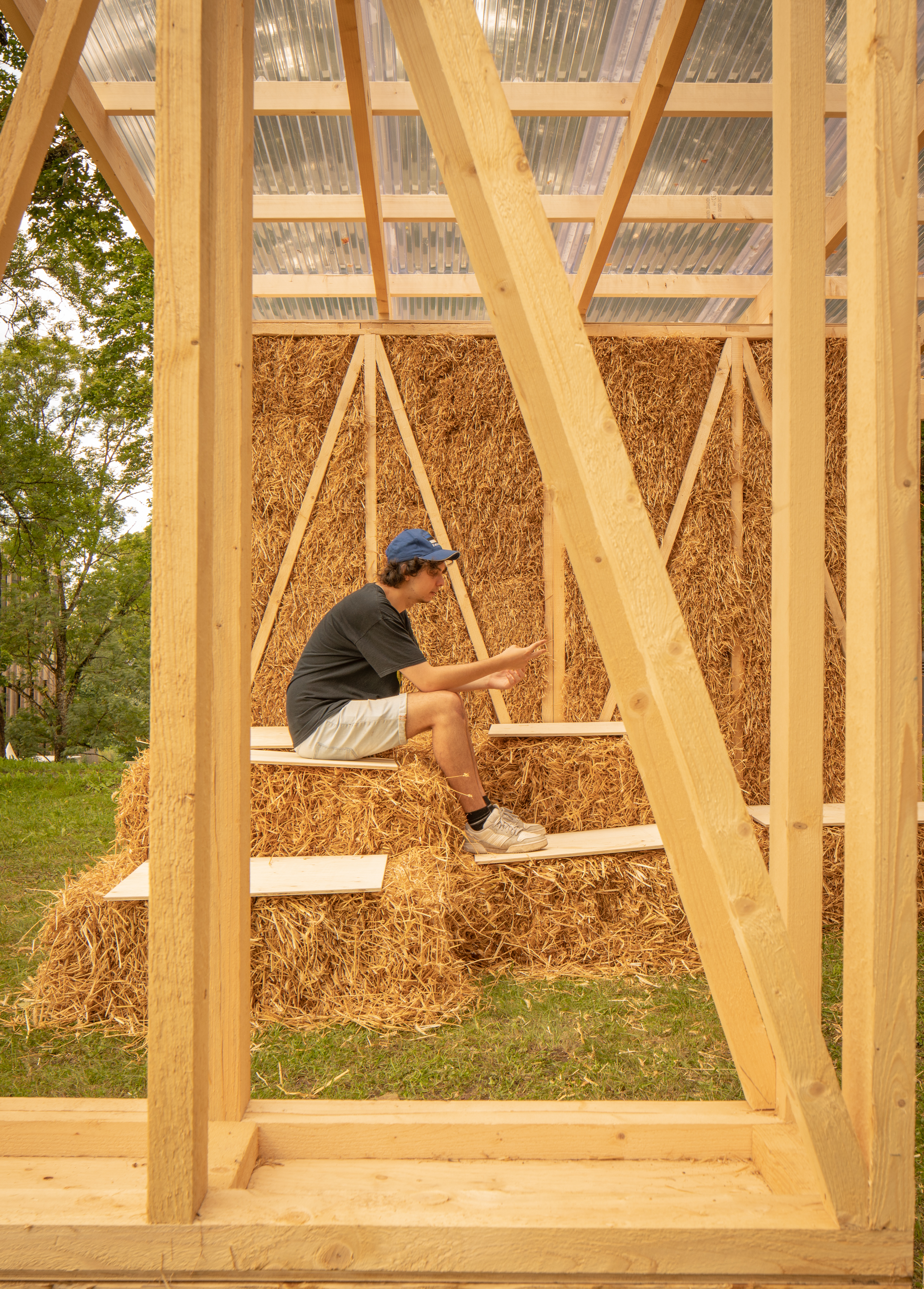


The roofing material also favours transparency to maximise light in the space. There are two panels without straw filling, acting as a window offering a picturesque view of the Paide hillside. It is important to enrich the space in rural towns such as Paide so that urban public space is not only experienced in Tallinn or Tartu but by people all over Estonia.
PÕHULA(va) can be considered as a prototype of the 1+X straw wall panels of the development project, where the elements are transported to the construction site in their finished form. In order to minimise the construction time on site, the timber-framed and straw-filled panels were prefabricated in Hobukooli Park near Paide. The panels were then transported to the site where they were placed on the prepared foundation.
As the last step, the roof was built and the seating areas were created from strawbales. It is also important to prototype modular or prefabricated construction methods in smaller scale, which contribute to fast and safe construction for larger buildings, and also help reduce carbon emissions.
The whole construction process was good for learning to feel the material through hands-on construction, which could be applied by more experienced architects to move hand in hand towards biogenic materials. A video of the construction process was also documented, reflecting the construction process and the nature of the 1+X project, as well as the team’s thoughts on the future of construction and architecture.
 1plussx